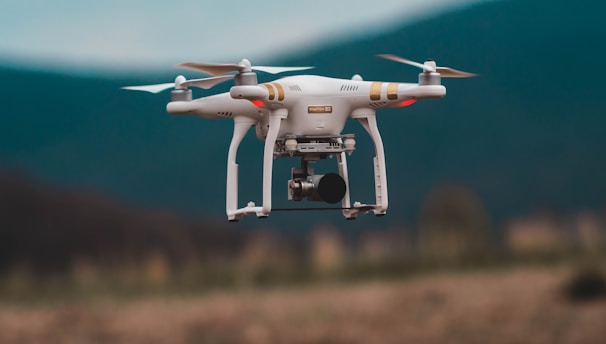
DJI FlyCart 30 Heavy-Duty Logistics Drone: Comprehensive Review of Mountainous Cargo Transport, Winch Mechanisms, and Infrastructure Supply Chains
Transforming the logistics landscape in extreme topographical environments, the DJI FlyCart 30 establishes a new paradigm for heavy-duty aerial cargo transport and utility supply chain management. Designed to conquer challenging terrains such as high mountain ridges, dense forests, offshore energy platforms, and disaster-stricken zones where traditional ground transport is unfeasible or entirely blocked, the FlyCart 30 bridges the critical gap between warehousing hubs and remote delivery points. By replacing hazardous multi-hour ground treks with swift, direct point-to-point aerial transit, the platform safeguards supply lines and revolutionizes emergency relief operations. From a technical and mechanical design standpoint, the aircraft features a high-strength four-axis, eight-propeller coaxial configuration engineered for exceptional wind resistance and flight stability under heavy loads. It offers a dual-mode payload architecture: a spacious 70-liter cargo case equipped with automatic weighing and center-of-gravity balancing sensors, and an industrial-grade winch system featuring a 20-meter steel cable for precise cargo placement in confined areas without landing zones. Powered by dual high-capacity batteries, the aircraft delivers impressive operational ranges and maintains robust flight performance while carrying up to 30 kilograms of payload. Advanced dual-radar obstacle sensing and an integrated parachute system ensure maximum flight safety across unpredictable environments. The commercial marketplace surrounding industrial aerial logistics and last-mile infrastructure supply is experiencing explosive growth, with utility companies, construction firms, and emergency response teams aggressively integrating cargo drones into daily operations. Financial market analysts project multi-billion-dollar valuations for commercial aerial freight sectors, noting that automated cargo transport drastically reduces project completion timelines and eliminates human risk in treacherous terrain. in parallel with ongoing software refinement, backend engineering teams maintain encrypted telemetry and fleet management networks that allow remote supervisors to monitor cargo routes, battery health, and winch status in real time. Developer responsiveness to industrial user feedback ensures regular optimization for automated return-to-home pathways and emergency fail-safes. Compliance officers verify that civil aviation authority regulations regarding heavy-payload commercial transport adhere strictly to international airspace laws. For industrial enterprises managing remote supply chains or infrastructure maintenance, investing in the DJI FlyCart 30 offers a highly reliable, cost-effective transport solution. Industry experts consistently recommend mapping precise GPS landing corridors and pre-clearing winch drop zones to ensure maximum operational safety during high-frequency material delivery cycles. (Disclaimer: For reference only)