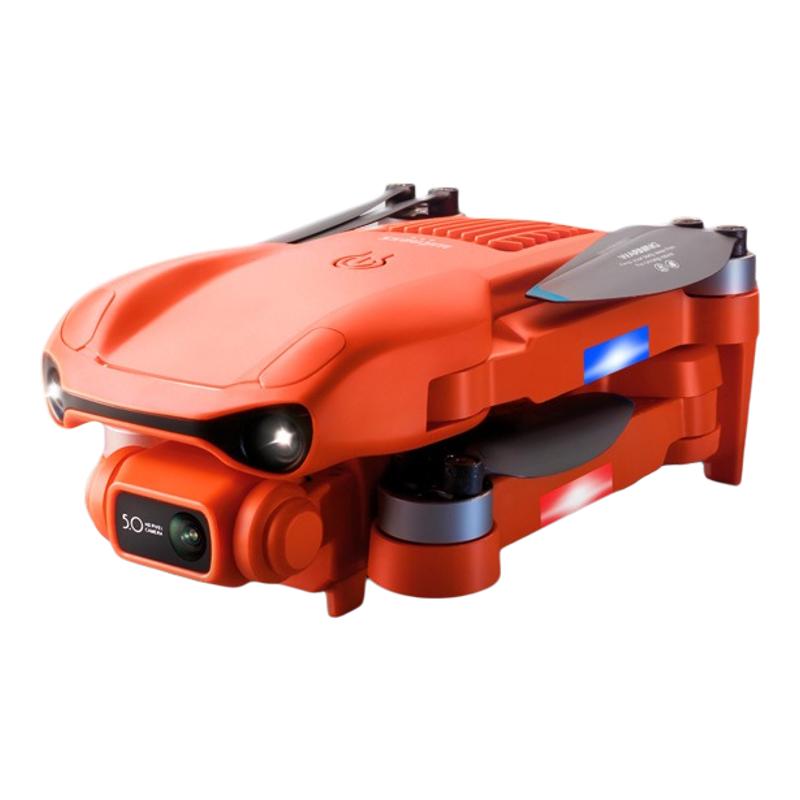
Baykar Bayraktar TB3 Carrier-Capable Armed Reconnaissance Drone: Comprehensive Review of Folding Wings, Short-Deck Naval Operations, and Long-Endurance Combat Air Patrol
Pioneering a revolutionary naval aviation capability for uncrewed combat aerial systems, the Baykar Bayraktar TB3 emerges as a sophisticated, folding-wing armed reconnaissance drone specifically engineered to operate from short-deck amphibious assault ships and aircraft carriers. Expanding upon the proven combat legacy of its land-based predecessor, the TB3 introduces advanced folding wing mechanisms, increased payload capacity, and robust satellite communications, transforming naval power projection for modern defense forces. From a technical and mechanical design standpoint, the aircraft features a lightweight composite airframe with hydraulically folding outer wings that minimize deck footprint storage requirements aboard naval vessels. Powered by a reliable domestic turbodiesel engine, the TB3 delivers exceptional flight endurance exceeding 24 hours, allowing continuous Combat Air Patrol (CAP) and over-the-horizon targeting missions. The under-wing hardpoints support a versatile array of precision-guided munitions, laser-designated smart micro-munitions, and multi-spectral reconnaissance sensor pods, giving naval commanders immediate strike and surveillance capabilities in contested maritime theaters. Advanced beyond-line-of-sight (BLOS) satellite communication links ensure uninterrupted control regardless of operational distance from naval carrier strike groups. The global defense marketplace surrounding naval uncrewed combat systems is experiencing explosive expansion, as naval strategists recognize the cost-effectiveness and tactical flexibility of carrier-launched drones. Defense market analysts evaluate the Bayraktar TB3 as a paradigm-shifting asset that endows nations without massive CATOBAR carriers with potent naval air power. in parallel with ongoing avionics refinement, engineering teams maintain rigorous salt-fog and corrosion-resistance testing protocols to ensure structural longevity in harsh marine environments. Developer commitment to autonomous takeoff and landing algorithms simplifies shipboard recovery procedures. Compliance officers verify that international defense export controls and military airworthiness standards are strictly satisfied. For defense forces seeking naval aviation enhancement, integrating the Bayraktar TB3 provides an unmatched strategic advantage. Industry experts consistently recommend conducting comprehensive deck-motion simulation tests prior to executing initial shipboard launch and recovery trials. (Disclaimer: For reference only)